
MAIN GROUP (Fujian) Footwear
Machinery Co., Ltd.
With more than 80 years of industry experienceMachine customers all over the world
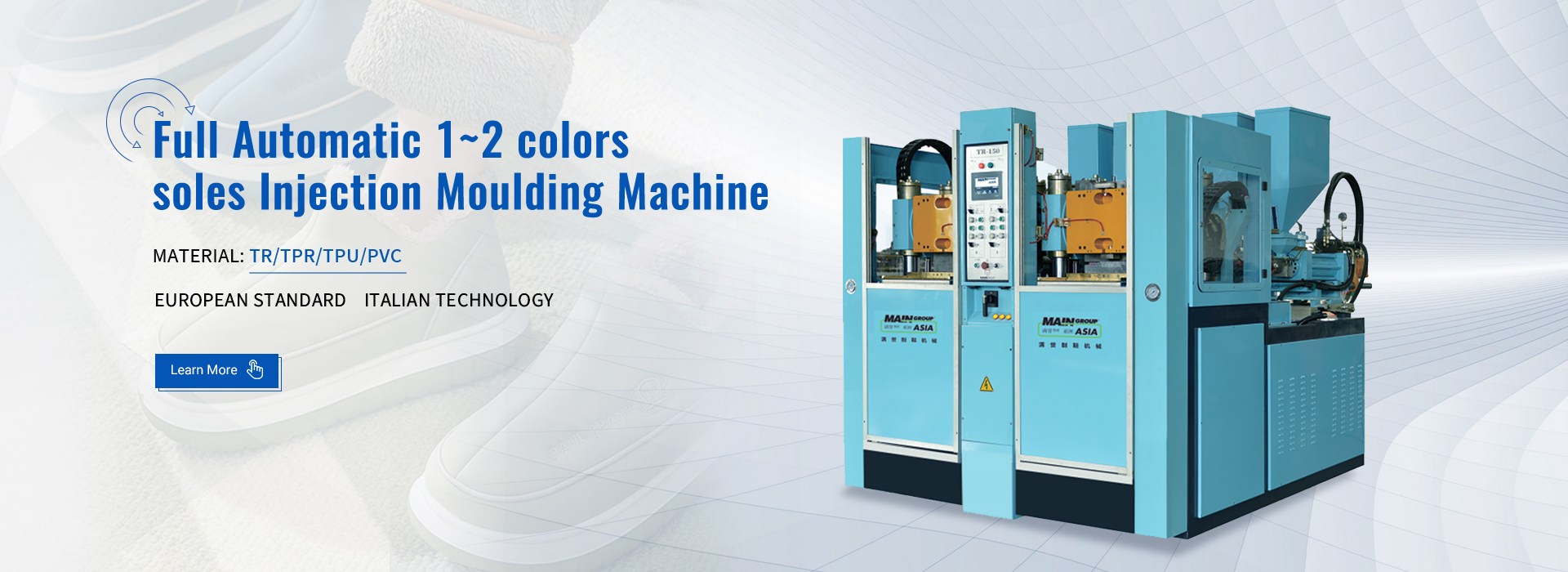
Top China Manufacturer of Used Shoe Sole Making Machines
When it comes to enhancing your production line, I can’t recommend the Used Shoe Sole Making Machine highly enough. Sourced directly from trusted manufacturers in China, this machine is designed specifically for efficiency and durability. I’ve seen firsthand how it streamlines the sole-making process, allowing you to meet demanding order timelines without sacrificing quality. It’s built to handle various materials seamlessly, making it a versatile choice for any footwear manufacturer. By opting for a used machine, you not only save on costs but also invest in reliable equipment that's been proven in the market. You can expect minimized downtime and increased productivity, which translates into higher profit margins for your business. Don’t miss out on the opportunity to elevate your production capabilities with a Used Shoe Sole Making Machine from reputable Chinese manufacturers. Let’s connect and discuss how this investment can drive value for your operations!
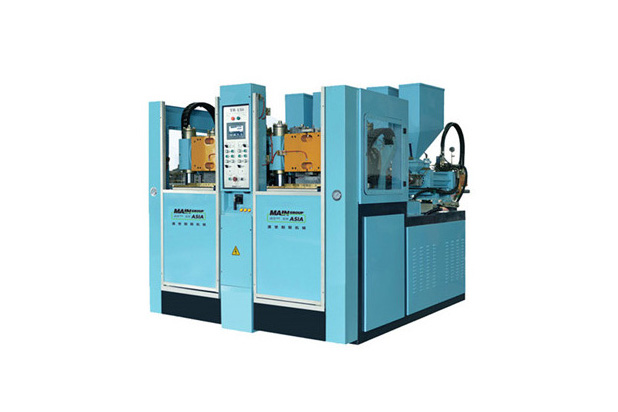

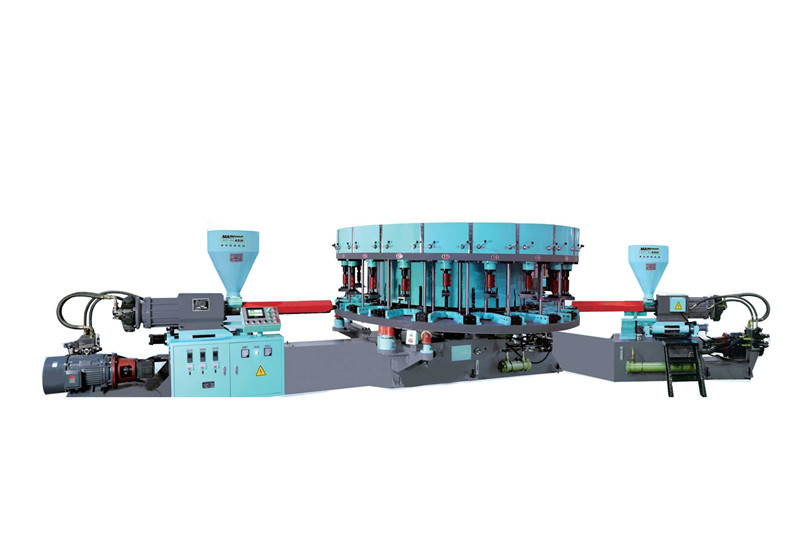

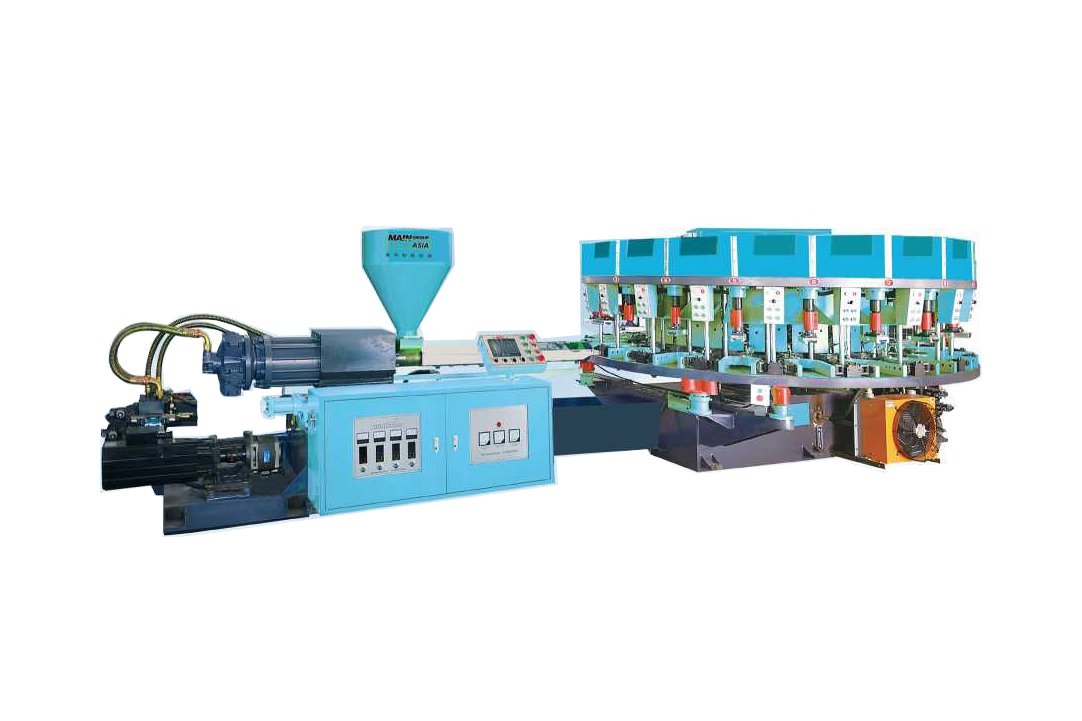
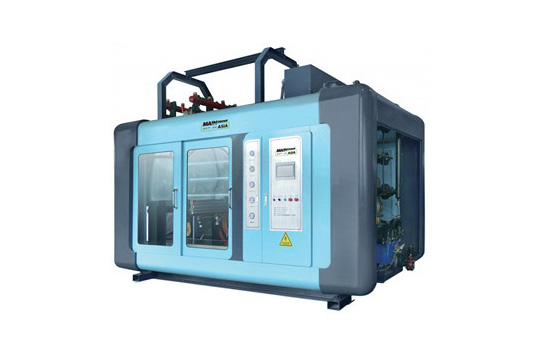
Used Shoe Sole Making Machine From Concept to Delivery Outperforms the Competition
In the ever-evolving footwear industry, the importance of high-quality and efficient machinery cannot be overstated. The journey from concept to delivery of a used shoe sole making machine offers significant advantages that can set you apart from the competition. These advanced machines are designed with cutting-edge technology, ensuring consistent production quality while optimizing labor costs and reducing waste. By leveraging state-of-the-art engineering, businesses can produce soles that meet diverse market demands, providing flexibility to adapt to fast-changing fashion trends. Furthermore, comprehensive after-sales service and support are critical for the smooth operation of manufacturing processes. In the world of production machinery, understanding the nuances of installation, maintenance, and troubleshooting makes all the difference. Reliable suppliers will ensure that the machines not only deliver peak performance but also support your business continuity over time. As global demand for sustainable footwear increases, investing in innovative sole making machines enhances production efficiency while contributing to environmental goals. Choosing the right used shoe sole making machine enables manufacturers to remain competitive in a crowded marketplace. The focus on high return on investment, along with the ability to manufacture a wide range of products quickly, positions businesses for success. This strategic approach ensures that you can meet your customers’ needs without compromising on quality or efficiency, ultimately driving growth and profitability.
| Feature | Specification | Performance | Advantages |
|---|---|---|---|
| Production Capacity | 2000 soles per day | High efficiency with minimal downtime | Increased output with reduced labor costs |
| Machine Weight | 1200 kg | Stable operation | Durable structure for longevity |
| Energy Consumption | 15 kW | Eco-friendly operation | Lower operational costs |
| Software Integration | Compatible with CAD and CAM | Seamless design to production workflow | Enhanced design accuracy |
| Safety Features | Emergency stop, safety guards | Meets international safety standards | Increased operator safety |
Related Products
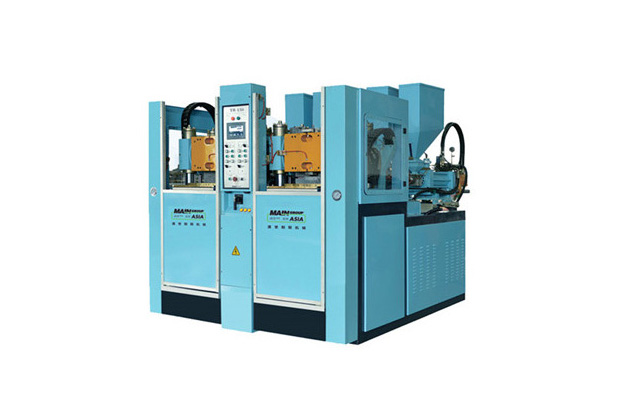
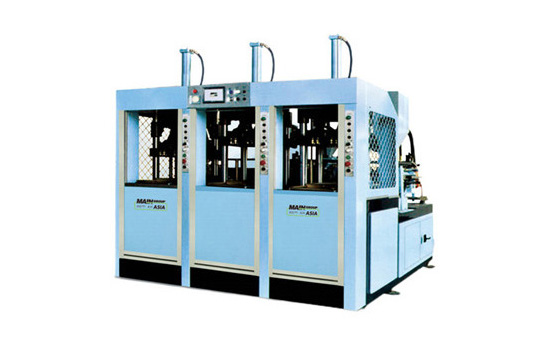
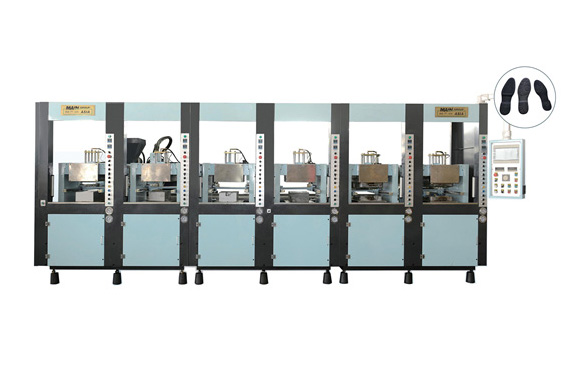


Used Shoe Sole Making Machine Stands Out Outperforms the Competition
Top Selling Products
- Related Blog
- Reviews
