
MAIN GROUP (Fujian) Footwear
Machinery Co., Ltd.
With more than 80 years of industry experienceMachine customers all over the world
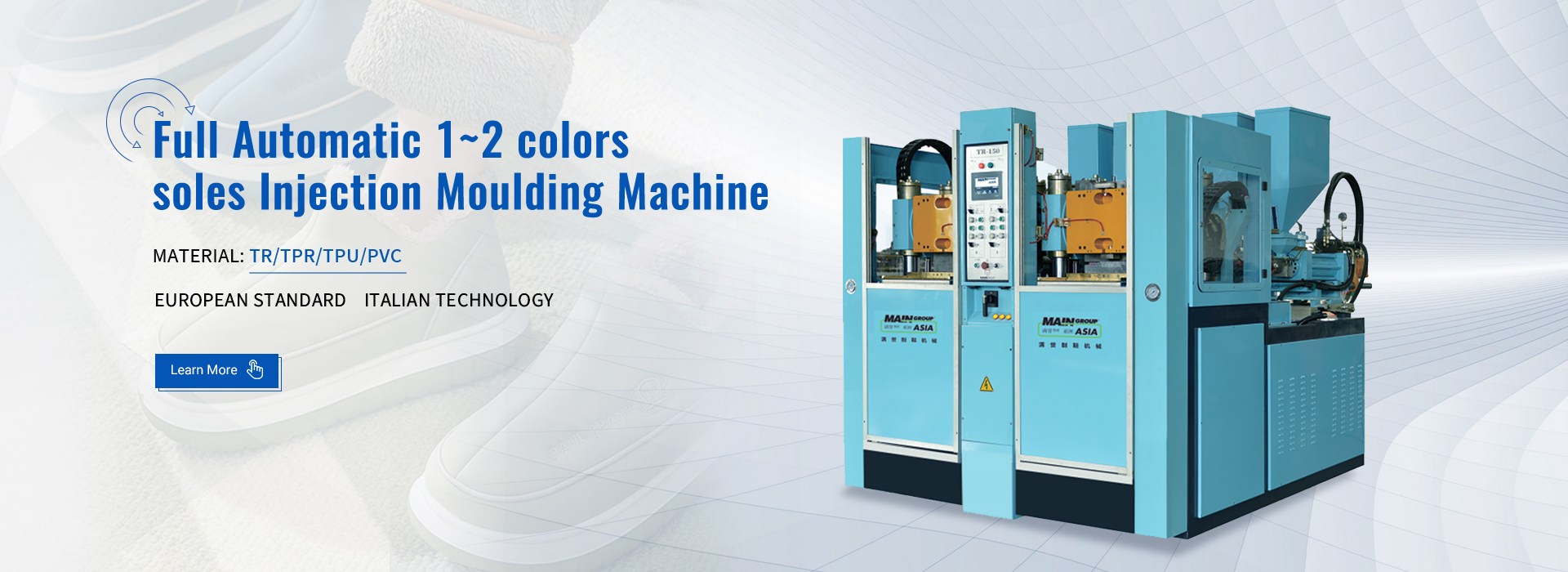
Manual Slipper Making Machine from Reliable China Manufacturer
If you're in the market for a quality Slipper Making Machine Manual, you've come to the right place. As a seasoned manufacturer in China, I understand the importance of efficiency and precision in your production process. Our manual offers detailed guidance to help you optimize your operations, reduce waste, and ensure that each slipper produced meets high-quality standards. After years of experience in the industry, I've designed this machine to cater to various production needs. It's user-friendly and allows for quick adjustments, making it perfect for both seasoned manufacturers and those new to slipper making. With our machine, you're not just investing in a tool; you’re acquiring a partner that grows with your business. I’m here to answer any questions you might have and assist you in making the best choice for your production needs. Let's elevate your slipper manufacturing process together!
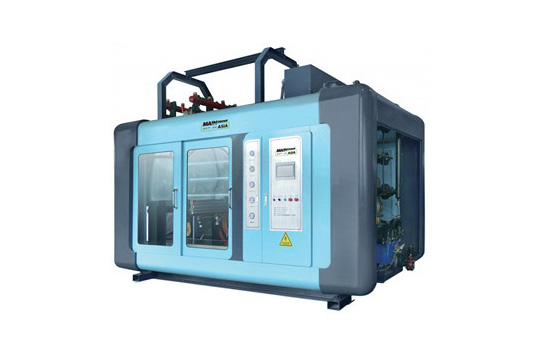


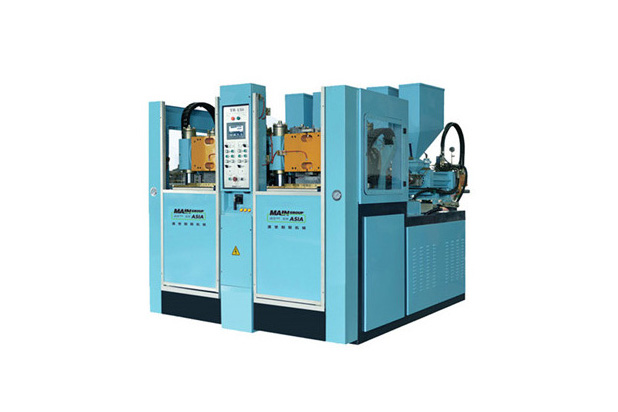

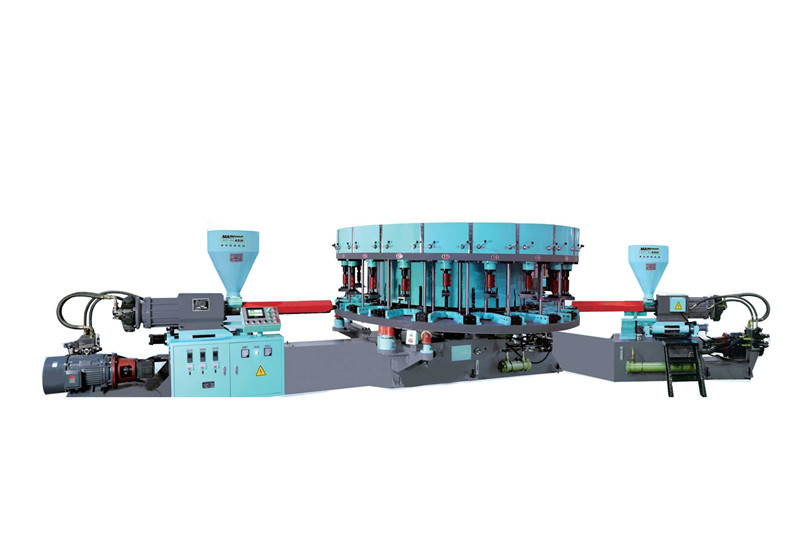
Slipper Making Machine Manual Now Trending Sets the Industry Standard
The slipper making machine manual is redefining operational efficiency and quality standards across the footwear industry. As global demand for comfortable and stylish footwear rises, manufacturers are seeking innovative solutions to enhance their production capabilities. This latest manual outlines advanced techniques and best practices that streamline the slipper manufacturing process, from raw material selection to final product inspection, ensuring consistent quality and reduced production times. In today’s competitive marketplace, businesses are looking for ways to improve their manufacturing processes to meet rising demands. This manual not only provides detailed operational guidelines but also emphasizes the importance of integrating modern technology in production lines. By adopting these practices, manufacturers can significantly boost their output while maintaining high standards of craftsmanship. Sustainability is also a focal point, encouraging the use of eco-friendly materials and processes that resonate with consumers' increasing environmental consciousness. As companies adapt to the evolving demands of the footwear market, leveraging comprehensive resources like the slipper making machine manual is crucial. It empowers manufacturers to embrace innovation, enhance productivity, and ultimately secure their position in a fast-paced industry. Emphasizing quality and efficiency will not only attract discerning customers but also set new benchmarks in the slipper production sector, driving overall growth and success.
Slipper Making Machine Manual Now Trending Sets the Industry Standard
| Feature | Description | Benefits |
|---|---|---|
| Automatic Feeding System | Ensures consistent material supply for continuous operation. | Reduces manual labor and increases production efficiency. |
| User-Friendly Interface | Intuitive controls for easy operation and setup. | Minimizes training time for new operators. |
| Energy Efficiency | Optimized power consumption during operation. | Lowers operational costs and environmental impact. |
| Versatile Design | Capable of producing various slipper styles and sizes. | Increases market adaptability and customer reach. |
| Safety Features | Integrated safety mechanisms to protect operators. | Enhances workplace safety and compliance with regulations. |
Related Products
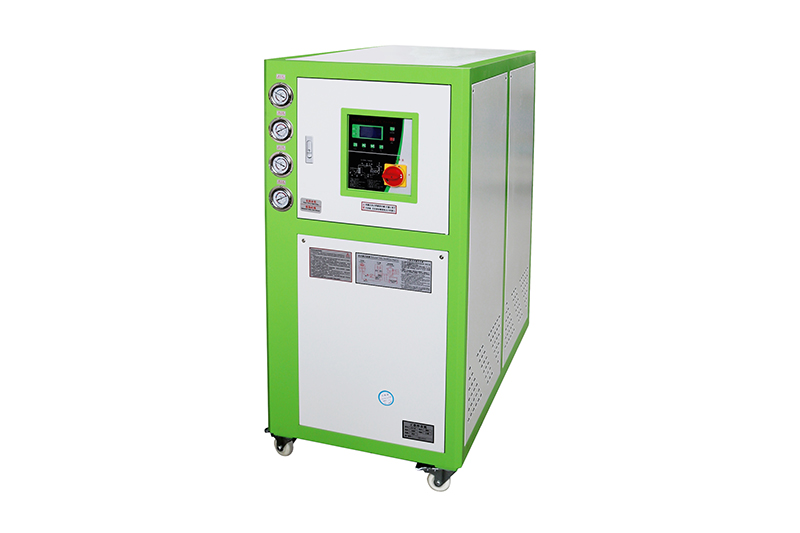

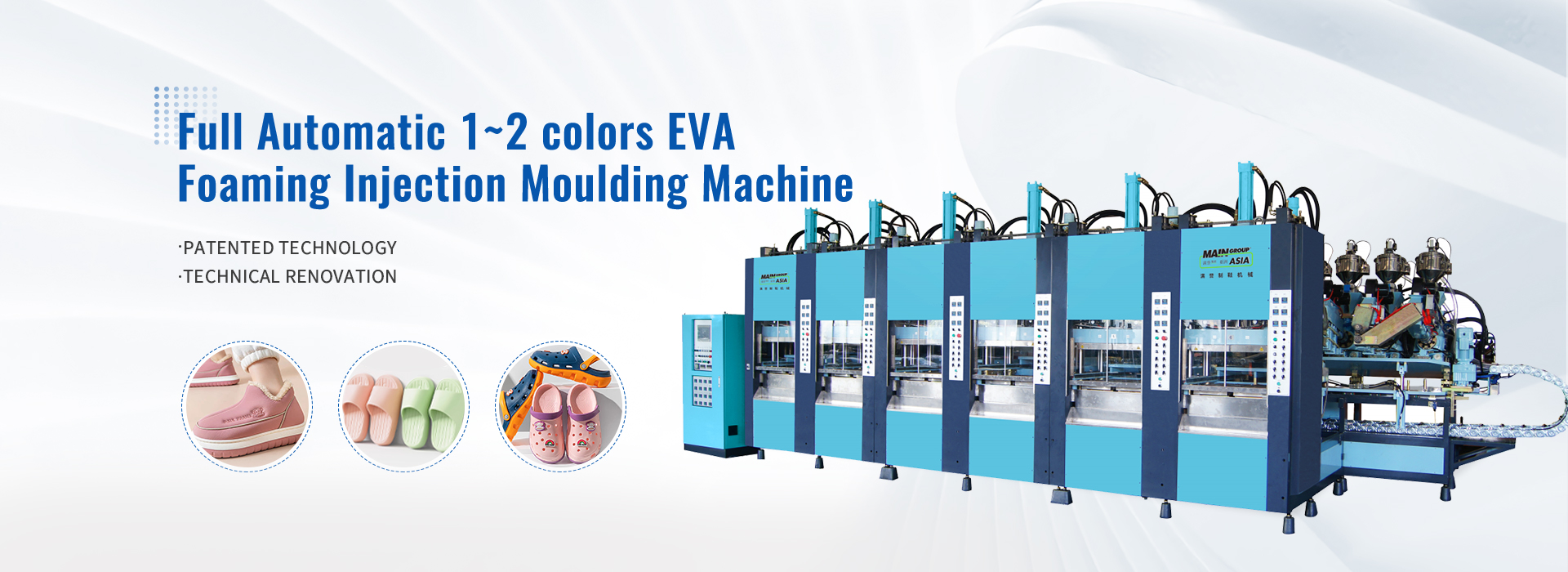
Slipper Making Machine Manual Stands Out Trusted by Pros
Top Selling Products
- Related Blog
- Reviews
